Showing posts with label Oystercatcher. Show all posts

Monday, 31 May 2021

Looe island seal survey and bird monitoring. 27th May 2021.

Nesting Oystercatcher

It was a great privilege to be back on Looe island again this month for our regular Cornwall Seal Group Research Trust survey in conjunction with the Looe Marine Conservation Group and the Cornwall Wildlife Trust.

After a bit of a "jigging around" of days we alighted on the new jetty at about 8:45 to be met by Jon & Claire the wardens and several members of the CWT Marine group who had spent the night on the island.

It was also a pleasure to meet up with the 4 CWT volunteers who are going to be resident there for 2 months of the summer. What a fantastic opportunity for them and I'm sure they'll be worth their weight in gold helping to get lots of the jobs completed.

We had a maximum of 6 seals, with 4 hauled out and 2 in the water during our low tide count, there was quite a bit of disturbance from boats and kayakers with one group causing me to get vocal as they came in under the main cormorant colony and caused a lot of stress to the birds.

I won't post the images of those causing the disturbance as there were young people involved and it was the fault of their leaders and instructors so they will be contacted separately.

Apologies for the poor quality of some of the images as I suffered from a rare phenomenon in Cornwall "heat haze"! This causes degradation of the images on pictures taken from a distance and it really was a problem with the long distance seal photos.


Grey seal hauled out.

Grey seal in the water

Here are a few more bird images from the day.


Cormorant colony

Cormorant colony

Cormorant portrait

Cormorants displaying

Cormorants displaying

Cormorants displaying
 

Oystercatcher

Oystercatcher nest with 3 eggs

Another Oystercatcher nest with 3 eggs

Oystercatcher pair.
 
Fulmar

Great black backed Gull

Shags

Bar-tailed Godwit

Goldfinch

Tuesday, 13 April 2021

A day on Looe island. 12th April 2021.

Bar tailed Godwit
 

Well it's been well over a year since I visited Looe island for one of our monthly Cornwall Seal Group Research Trust seal surveys. Initially the weather was an issue then Covid-19 kicked in and we've all been in lockdown.

So it was great to finally get on the boat again, sadly only 6 of us and not the usual 12 but Dave Butters got us out there and kept us dry!

We were met at the brand new jetty by Jon & Claire the Cornwall Wildlife Trust wardens and welcomed ashore.


All masked up on Dave's boat as we leave West Looe

All ashore from the new jetty

What a great addition to the island

I seem to photograph this sign every time I'm here...can't resist!

During the day we recorded a maximum of 6 grey seals and numerous birds. 


5 Grey seals hauled out


The cormorants were well advanced with several pairs having large youngsters in the nest and a count of almost 50 active nests.

Cormorant pair with 2 large offspring

Cormorants sitting on nests


The Oystercatchers  have started forming their "scrape" nests but we saw no sign of any eggs although it won't be long. There were lots of active pairs dotted around the island.

Oystercatcher with a very stubby bill

Another cracking bird we spotted was a Bar-tailed Godwit, a single individual and an unusual bird for the island, almost certainly on its spring migration north.

Bar tailed Godwit

We didn't have it all nice and comfortable as the rain and winds did their best to make life a wee bit uncomfortable in the morning when trying to search for seals into a North westerly.

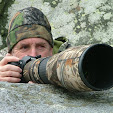
I was forced at one point to lie down behind a rock for shelter, fortunately it was a well hollowed out shelter as I think the islands sheep had used the spot before!

Yours truly sheltering from the weather

There is a pair of Ravens nesting near to the original cormorant colony so most of the cormorants have now moved around the corner to nest, leaving just a few nests alongside a Shag nest and a couple of courting Fulmars.

Ravens

Ravens

Shag at its nest

The Herring Gull numbers on the island seemed to be much the same as other years but the Great Black-backed Gulls looked to be severely depleted from previous surveys. There were no nests on the South Western slopes and all pairs seemed to be on the spit of land near the house that looks to the South East.

Herring Gull


Friday, 7 June 2019

St.George's Island reserve Looe, Cornwall. 4th June 2019.

Oystercatcher


Had a great day on the Cornwall Wildlife Trust reserve at St.Georges island at Looe in East Cornwall with the Cornwall Seal Group and Research Trust on Tuesday.

A bit damp and a choppy boat trip over but well worth it!

Good to meet up with friends again and share our common interest in wildlife.

Here are a few images from the day including a Common Seal which in Cornwall is anything but Common!

Also a group of Eider ducks which again are an unusual sight in the County in the summer months.


Eider ducks and drake

Common Seal

Common Seal

Great Black-backed Gull

Fulmar

Great Black-backed Gull

Great Black-backed Gull

Cormorant

Oystercatcher eggs and nest

Wednesday, 27 June 2018

Oystercatcher nests on rugby pitch... again! 27th June 2018.


A bit of deja-vu as for the 2nd year in succession an Oystercatcher pair have successfully fledged 3 young from a nest almost on the centre spot of the Wadebridge Camels rugby pitch at Egloshayle.

I've been monitoring the nest for almost a month and was relieved when they hatched yesterday.

A big thanks to Ray Davies and all the helpers at the Camels for "cutting around them" again this year! Normal service can now be resumed!


Friday, 15 June 2018

Oystercatchers on Looe island 14th June 2018.

Oystercatcher nest with eggs partly chipped by emergent young.

Had a good day on Looe island, the Cornwall Wildlife Trust reserve in East Cornwall.

The seabirds all had either young, eggs or nests around the island with Oystercatchers in good numbers.

Some were still sitting on eggs although the fine weather had often allowed them to sit nearby and guard them from the ever present gulls.

Amazingly the Great Black-backs and the Herring Gulls were all within a few feet of the Oyks but their incredible camouflage both of the nests and the young offered some protection as these gulls all sought to feed their own growing broods.